
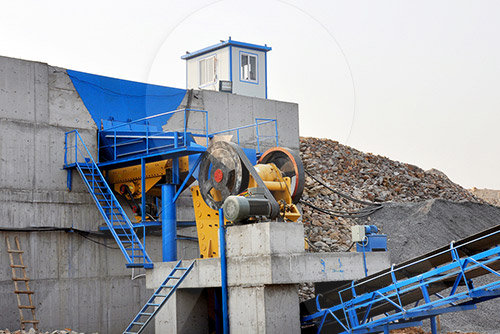
A jaw crusher is often the first machine that turns run-of-mine gold ore into a material stream that can be screened, conveyed and fed to downstream beneficiation equipment. Its role is straightforward, but the selection and operating decisions around it affect plant availability, power use and the condition of every crusher behind it.
Why Primary Crushing Matters In Gold Beneficiation
Gold can occur in hard quartz, altered rock, oxide material or a mixed transition ore. The primary crusher must accept the mine's actual feed size and reduce it to a size that can be handled safely by the next stage. A crusher that is too small limits production. A crusher that is oversized without a matching circuit can create bottlenecks, excessive fines or unnecessary capital cost.
The primary stage also stabilizes the downstream process. Consistent discharge size improves screening efficiency and helps the plant maintain a predictable feed to grinding, gravity separation or another recovery route.
Start With Ore And Feed Conditions
Jaw crusher sizing should begin with measured material data rather than an assumed model number. The most useful inputs include:
- Maximum lump size and the expected range of feed grading.
- Bulk density, moisture and clay content.
- Compressive strength, abrasiveness and any known difficult inclusions.
- Required plant throughput and operating hours per day.
- Target crushed product size and the opening of the following crusher or mill.
Clay, sticky feed and excessive moisture deserve special attention. They can cause blocking around the feed opening and reduce the effective capacity of an otherwise correctly sized crusher.
What To Check When Sizing A Jaw Crusher
For each candidate model, compare the feed opening with the largest expected lump and the closed-side setting with the required discharge size. Capacity figures should be matched to the actual material and operating conditions, not treated as a single fixed number.
- Feed opening: allow practical clearance around the largest feed rather than sizing exactly to the nominal opening.
- Closed-side setting: confirm the entire working range can meet the downstream target.
- Drive power: check that installed power and speed suit the duty and site power supply.
- Jaw plate profile: choose a profile that balances throughput, reduction and wear life for the ore.
- Service access: lifting points, liner replacement and discharge clearance must fit the future maintenance plan.
Integrate Pre-Screening And Feed Control
Where the mine feed already contains a large proportion of fines, a grizzly feeder or a separate pre-screen can bypass those fines around the jaw crusher. This reduces power consumption, wear and the risk of packing. The bypass route should be designed so that it does not overload the downstream conveyor or create a quality problem in the final blend.
A controlled feed is equally important. A feeder that can maintain a steady burden prevents repeated starting and stopping, reduces peak loads and gives the operator useful control over throughput.
Protect The Rest Of The Gold Circuit
The jaw crusher discharge should be inspected for tramp metal and other uncrushable material. A magnet or metal detector may be appropriate depending on the mining method and the amount of wear material entering the plant.
The transfer points, chutes and conveyors must also handle the actual crushed shape and moisture. If the material will pass through a cone crusher, a screen or a grinding mill, the jaw crusher setting should support stable circuit capacity rather than maximize primary throughput in isolation.
Operating And Maintenance Priorities
Daily checks
Inspect the feed opening, discharge area, belts, guards and lubrication condition. Listen for abnormal impact and check whether the crusher is receiving a sudden surge of material.
Wear management
Record jaw plate wear and the closed-side setting at regular intervals. Rotating or replacing wear parts on a planned basis is safer than waiting for a production stoppage. Keep the toggle area and adjustment mechanism clean and accessible.
Crushing chamber control
Avoid feeding material that is clearly outside the design range. Reversible jaw plates may improve wear life when the application allows it, but the decision should be based on observed wear profiles.
Common Selection Mistakes
- Using a capacity table without checking the mine's feed grading and bulk density.
- Selecting the smallest opening that can accept the nominal largest rock.
- Ignoring the amount of fines and clay in the run-of-mine material.
- Planning for installation without checking lifting access and maintenance clearance.
- Treating the primary crusher as an isolated purchase instead of part of the full gold circuit.
Define The Circuit Before Choosing The Machine
The best jaw crusher for a gold project is the one that matches the ore, the mine schedule, the downstream process and the site's maintenance capability. Share the feed size, material report, target capacity and final product requirement with our engineering team to define a practical primary crushing scope.